

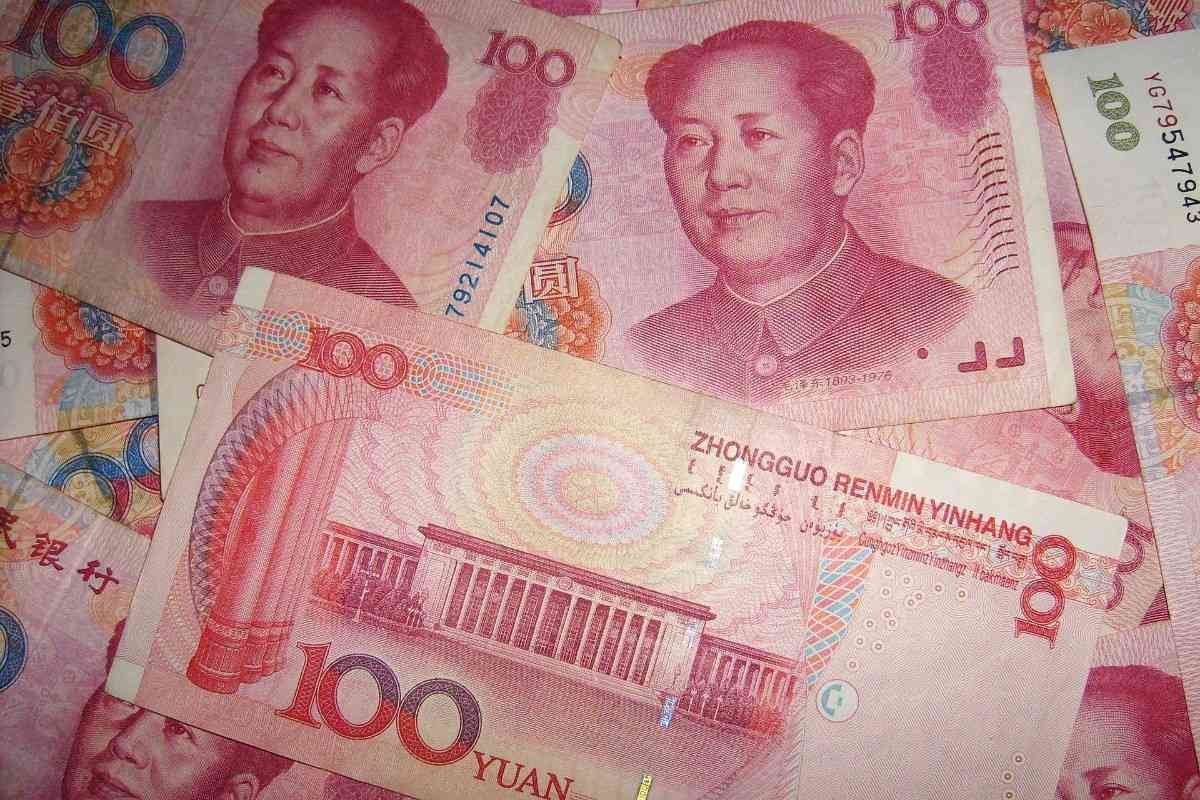
For decades, businesses in Kampala purchasing machinery from Guangzhou have had to navigate a complex and costly payment process. They would convert their local currency (shillings) to dollars, send the dollars through a correspondent bank in New York or London, and then convert them back into yuan at the other end. Every step of this journey incurs fees, causes delays, and exposes businesses to currency risks. This system was designed for a time when the dollar was the primary global bridge currency, but that world is changing.
The move to trade outside of the dollar is not unique to Uganda; it has been developing for years due to a combination of economic factors and geopolitical pressures. Countries cut off from dollar-clearing systems, such as Zimbabwe and Russia, have learned the hard way that when your trade relies entirely on infrastructure controlled by another country, that country can exert significant influence over your economy. In response, China has created its own parallel infrastructure: the Cross-Border Interbank Payment System (CIPS), launched by the People’s Bank of China in 2015 as an alternative to SWIFT for renminbi (RMB) transactions.
This month, this alternative system reached Uganda. Stanbic Bank Uganda has become the first financial institution in the country to integrate directly with CIPS, following similar rollouts by its parent company, Standard Bank Group, in Kenya and Ghana in recent months. Standard Bank and China’s ICBC have been jointly authorized by the People’s Bank of China to act as the “Renminbi Clearing Bank of Africa,” covering settlement across 19 African markets.
The benefits of this new arrangement are straightforward. According to reports from the Daily Monitor, outward transfers will carry a flat fee of approximately Shs60,000, while inward transfers will incur a charge of 0.25%, capped between $10 and $50. This fee structure is designed to be more predictable compared to routing payments through multiple correspondent banks. Stanbic is also offering yuan-denominated accounts, allowing Ugandan importers and exporters to hold and hedge in the currency they are actually trading. This eliminates the need to absorb conversion risks twice.
This development is particularly significant given that Uganda imported roughly $3.3 billion worth of goods from China in 2025, while only exporting about $118 million. This results in a lopsided trade relationship where the burden of currency friction falls disproportionately on Ugandan importers. Direct RMB settlement alleviates some of this friction by reducing the number of intermediary banks involved, speeding up the clearing process, and providing protection against potential delays or restrictions related to dollar-clearing access.
Minister of State for Industry David Bahati has emphasized that this launch addresses “long-standing payment and settlement challenges” between Uganda and China. He also highlighted China’s growing role in manufacturing, industry, and the oil sector as key areas that stand to benefit directly.
From a strategic standpoint, this initiative presents a genuine opportunity for Uganda to enhance its investment appeal. Chinese cumulative foreign direct investment (FDI) in Uganda has already exceeded $1 billion, with licensed investments nearing $1.2 billion. China consistently ranks among Uganda’s top two sources of foreign investment. A streamlined settlement corridor is an important component of the infrastructure that shows up on due diligence checklists; it signals to Chinese industrialists that Uganda is not only an attractive place to invest but also easy to transact with. Stanbic Bank’s messaging ties this development to Uganda’s goal of increasing its economy approximately tenfold by 2040. This narrative is compelling, as it highlights reduced foreign exchange exposure, faster settlement times, and a government actively seeking deeper industrial partnerships.
For regions like Lamwo and Northern Uganda, where agribusiness and light manufacturing heavily rely on imported equipment, this settlement infrastructure facilitated through Kampala-based banking relationships; reduces one of the hidden costs of doing business with China.
It’s important to frame this development accurately: it’s about gradually reducing dependence on the dollar, not replacing it. The dollar still accounts for the overwhelming majority of global trade and remains the dominant reserve currency by a wide margin. CIPS currently processes a small fraction of what SWIFT handles, and China’s capital controls mean that the yuan is not fully convertible, limiting its internationalization until deeper reforms occur in Beijing. No serious analyst claims that the dollar will be dethroned this decade.
However, that’s not the critical point for Uganda. What CIPS does is reduce dollar leverage at specific points of pressure; one bilateral corridor, one trade relationship, one percentage point of reserve diversification at a time. Every country that establishes a functional alternative settlement channel becomes marginally harder to pressure due to dollar-clearing access alone. This is the underlying rationale for Zimbabwe’s caution and the broader movement among BRICS nations toward local currency and RMB settlement; not a sudden break, but a gradual shift.